Homeowners often face the dilemma of choosing between roof repair and replacement. Each option has distinct financial implications that can greatly impact property maintenance budgets. Understanding the condition of the roof and the potential long-term benefits of each choice is essential. This decision-making process involves evaluating common roof issues and their respective solutions. The implications of this choice can resonate far beyond immediate costs, prompting a closer examination of what truly aligns with one’s financial goals.
Key Takeaways
- The type of roofing material significantly influences repair and replacement costs, with options ranging from affordable asphalt shingles to more expensive slate or tile.
- Assessing the extent of damage and roof age is crucial in determining whether repair or replacement is the better financial decision.
- Labor costs vary by region, impacting overall expenses for roof repair or replacement projects.
- Immediate repair costs may seem lower, but frequent repairs can lead to higher long-term expenses compared to a complete roof replacement.
- Engaging trusted roofing professionals ensures accurate evaluations, guiding homeowners in making informed decisions based on their budget and long-term needs.
Factors Influencing Roof Repair and Replacement Costs
Several key factors influence the cost of roof repair vs replacement, making it essential for homeowners to understand these variables before making a decision. The type of roofing material notably affects expenses; materials like asphalt shingles are generally less expensive than slate or tile. Additionally, the extent of damage plays a vital role; minor repairs might be economical, while extensive damage may necessitate a full replacement. Labor costs in different regions can also impact the overall price. Moreover, the age of the roof and existing structural issues must be considered, as older roofs often require more extensive work. By grasping these factors, homeowners can make informed choices that align with their budget and long-term home investment goals.
Assessing the Condition of Your Roof
Evaluating the condition of a roof is a fundamental step in determining whether repair or replacement is the most cost-effective solution. Homeowners should conduct a thorough inspection, evaluating for signs of damage such as missing shingles, leaks, or significant wear. Additionally, the age of the roof plays a vital role; older roofs may warrant replacement rather than repair. Utilizing professional roofing services can provide an expert evaluation, ensuring that all potential issues are identified. By understanding the current state of their roof, homeowners can make informed decisions that align with their financial and aesthetic goals. Ultimately, a detailed assessment is essential in guiding the cost of roof repair vs replacement, fostering a sense of community and shared knowledge among homeowners.
Long-Term Financial Implications: Repair Vs Replacement
When homeowners weigh the long-term financial implications of roof repair versus replacement, it becomes essential to contemplate not only the immediate costs but also the potential future expenses associated with each option. Repair may offer a lower upfront cost, yet it can lead to recurring expenditures if underlying issues persist. Conversely, a complete replacement, while initially more expensive, often results in enhanced durability and reduced maintenance needs over time. Homeowners should consider factors such as warranties, energy efficiency, and potential increases in property value. Ultimately, the cost of roof repair vs replacement should be evaluated within the context of long-term investment, ensuring that the chosen option aligns with both financial capabilities and future aspirations for homeownership.
Common Roof Issues and Their Solutions
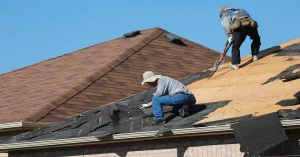
Homeowners frequently encounter a variety of common roof issues that can greatly affect both the integrity of their homes and their financial investments. Leaks, missing shingles, and structural damage are prevalent concerns that necessitate prompt attention. For leaks, identifying the source is essential; repairs may involve sealing or replacing affected areas. Missing shingles often require simple replacements, but if widespread, this could signal deeper problems. Additionally, structural issues, such as sagging or rotting, may indicate the need for more extensive repairs or even replacement. Understanding these common roof issues allows homeowners to make informed decisions regarding the cost of roof repair vs replacement, ensuring the longevity and safety of their homes while protecting their financial resources.
Making the Best Decision for Your Home and Budget
Determining whether to repair or replace a roof is a critical decision that hinges on several factors, including the extent of damage, the age of the roof, and the homeowner’s budget. When evaluating the cost of roof repair vs replacement, homeowners must consider not only immediate expenses but also long-term implications. Repairing a roof may provide a temporary solution, allowing for further savings, yet it may not address underlying issues. Conversely, a complete replacement can offer durability and peace of mind, albeit at a higher upfront cost. Engaging with a trusted roofing professional can facilitate an informed decision, ensuring that the choice aligns with both financial constraints and the desire for a safe, comfortable home environment.
Frequently Asked Questions
How Can I Find a Reliable Roofing Contractor?
To find a reliable roofing contractor, one should research online reviews, seek recommendations from friends, verify licenses and insurance, and request multiple estimates to guarantee transparency and competitiveness in pricing and service quality.
What Are the Signs That I Need a Roof Replacement?
Signs indicating a roof replacement include significant leaks, missing shingles, visible sagging, extensive granule loss, and age exceeding 20-25 years. Homeowners should assess these factors to guarantee safety and structural integrity in their residences.
How Long Does a Roof Repair Typically Last?
A roof repair typically lasts between 5 to 15 years, depending on materials used, the severity of damage, and local weather conditions. Regular maintenance and inspections can extend its lifespan and enhance overall roof performance.
Are There Financing Options for Roof Repairs or Replacements?
There are various financing options available for roof repairs or replacements, including personal loans, home equity loans, and specialized contractor financing. These alternatives can help homeowners manage costs effectively while ensuring necessary roof work is completed.
Will My Homeowner’s Insurance Cover Roof Repair Costs?
Homeowner’s insurance may cover roof repair costs, depending on the policy and the damage’s cause. Policyholders should review their coverage details and consult with their insurer to understand potential financial assistance for repairs.
Conclusion
To summarize, homeowners must carefully evaluate the costs and benefits of roof repair versus replacement. While repairs may offer short-term savings, they can lead to increased long-term expenses if foundational issues persist. A thorough assessment by professional roofing services can illuminate the best course of action, balancing immediate financial constraints with future property value and structural integrity. Ultimately, making an informed decision guarantees both the longevity of the roof and the protection of the homeowner’s investment.
You May Also Like: