The York State Fair, established in 1765, serves as a significant cultural landmark in York County. Its evolution from a modest agricultural exhibition to a vibrant community celebration reflects broader historical trends in the region. Visitors encounter a rich tapestry of local traditions, craftsmanship, and culinary delights. Understanding these elements not only enhances the fair experience but also reveals insights into the agricultural roots that shaped the community. What stories lie beneath the surface of this enduring event?
Key Takeaways
- The York State Fair began in 1765, showcasing local agriculture and fostering community connections among farmers and artisans.
- Major milestones include its relocation in 1853 and the introduction of entertainment in the mid-20th century, reflecting community evolution.
- Current attractions feature thrilling rides, live performances, and culinary delights, enhancing the fair’s family-friendly atmosphere.
- Livestock exhibitions and culinary competitions highlight local farming quality and promote sustainable agricultural practices within the community.
- For an enriching experience, explore historical exhibits and participate in community activities to connect with the fair’s heritage.
The Origins of the York State Fair: When It All Began
The York State Fair, a vibrant tapestry of culture and tradition, traces its origins back to the early 18th century. Initially established as an agricultural exhibition, it aimed to showcase local produce and livestock, fostering community pride and agricultural advancement. The fair served as an essential meeting point for farmers and artisans, facilitating the exchange of ideas and goods. Over the years, it evolved from a modest gathering into a celebrated event, reflecting the region’s diverse heritage. The history of the York State Fair encapsulates not only agricultural progress but also the social fabric that binds the community together, making it a cherished annual event that continues to resonate with locals and visitors alike.
Major Historical Milestones of the York State Fair
As the York State Fair evolved from its humble beginnings, several major historical milestones marked its journey, shaping it into a prominent cultural event. Established in 1765, it began as an agricultural showcase, reflecting the region’s farming heritage. The fair’s relocation in 1853 to a more accessible site catalyzed its growth, allowing for increased participation and diverse exhibits. By the mid-20th century, the introduction of entertainment, including live performances and carnival rides, transformed the fair into a multifaceted celebration of community spirit. The introduction of modern amenities in recent decades further enhanced its appeal, ensuring that the history of the York State Fair remains a reflection of resilience and evolution, fostering a sense of belonging among its visitors and participants.
Current Attractions at the York State Fair
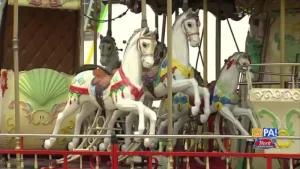
Current attractions at the York State Fair offer a vibrant tapestry of experiences that cater to diverse interests, blending tradition with modern entertainment. Families can enjoy thrilling rides and games, while food enthusiasts indulge in a variety of local delicacies, from classic funnel cakes to artisanal cheeses. Live performances feature a mix of genres, drawing crowds to the main stage for memorable shows that foster a sense of community. Educational exhibits highlight local artisans and craftsmen, showcasing the rich cultural heritage of York County. Additionally, competitions, such as baking and livestock shows, invite participants to share their talents. Together, these attractions create an environment where visitors feel connected, celebrating not only the history of the York State Fair but also the community spirit it inspires.
How Agriculture Shaped the York State Fair
Agriculture has long been the backbone of the York State Fair, shaping its identity and purpose since its inception. This historic event serves as a crucial platform for showcasing agricultural achievements and fostering community connections. Key aspects of agriculture’s influence on the fair include:
- Livestock Exhibitions: These displays allow farmers to present their best breeds, emphasizing quality and innovation in local farming practices.
- Culinary Competitions: Events featuring local produce highlight the region’s agricultural bounty, encouraging sustainable consumption and appreciation for local foods.
- Educational Programs: Workshops and demonstrations educate attendees about farming techniques, thereby cultivating a deeper understanding of agriculture’s significance in York County.
Through these elements, the York State Fair continues to reflect and celebrate its agricultural roots, reinforcing a sense of belonging within the community.
Tips for Planning Your Visit to the York State Fair
Planning a visit to the York State Fair can be an exciting endeavor, especially for those enthusiastic to immerse themselves in its rich history and vibrant atmosphere. To enhance the experience, travelers should consider visiting on weekdays when crowds are lighter, allowing for a more intimate exploration of the fair’s historical exhibits. Arriving early provides an opportunity to savor local cuisine and engage with vendors, deepening the connection to the fair’s agricultural roots. Additionally, downloading the fair’s official app can facilitate access to schedules and events, ensuring no highlights are missed. Ultimately, participating in community activities fosters a sense of belonging, enriching the journey through the enthralling history of the York State Fair.
Frequently Asked Questions
What Is the Best Time to Visit the York State Fair?
The best time to visit the York State Fair is during its annual late summer run, when vibrant attractions, local agriculture, and community spirit converge, offering visitors a rich, immersive experience in regional culture and tradition.
Are Pets Allowed at the York State Fair?
Pets are generally not allowed at the York State Fair, ensuring a safe and comfortable environment for all attendees. This policy maintains order amidst the fair’s bustling activities, fostering a sense of community among visitors.
How Can I Volunteer at the York State Fair?
To volunteer at the York State Fair, individuals can visit the fair’s official website, where they’ll find application details, shifts, and roles available. Engaging in this community event fosters connections and shared experiences among volunteers.
What Safety Measures Are in Place at the Fair?
Safety measures at the fair include regular health inspections, crowd control protocols, and emergency response teams. These initiatives aim to guarantee a secure environment, fostering a sense of community and belonging among attendees and participants.
Is There Parking Available at the York State Fair?
Parking is readily available at the York State Fair, accommodating visitors with various options nearby. This accessibility enhances the overall experience, allowing attendees to enjoy the fair’s rich offerings without transportation concerns.
Conclusion
The York State Fair, with its rich history dating back to 1765, serves as a vibrant tribute to York County’s agricultural legacy and community spirit. As travelers explore its historical roots and diverse attractions, they not only enjoy the festivities but also forge deeper connections to the region’s cultural fabric. Understanding the fair’s evolution from a simple agricultural showcase to a multifaceted celebration enhances the experience, inviting visitors to appreciate the enduring traditions that define this beloved event.
You May Also Like To Read: