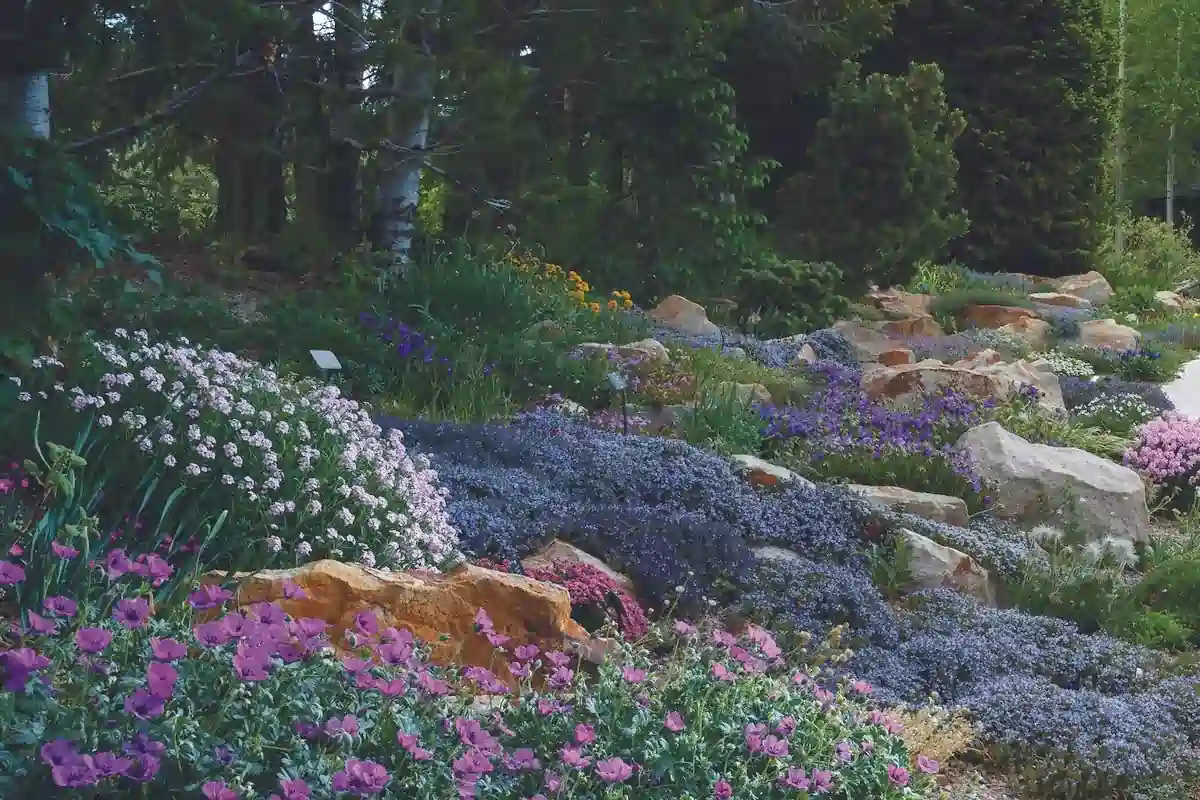
Alpine gardens serve as a harmonious blend of nature’s beauty and serene design. Their unique plant varieties thrive in challenging conditions, offering vibrant colors and textures that naturally invite reflection.
The gentle sounds of rustling leaves and trickling water enhance the calming atmosphere. With thoughtful layout and natural materials, these spaces become tranquil retreats. Yet, the true essence of an alpine garden lies beyond its aesthetics, beckoning one to explore its deeper benefits.
Key Takeaways
- Alpine gardens blend natural beauty and tranquility, creating serene environments that promote relaxation and mindfulness.
- The compact growth of alpine plants allows for creative arrangements, enhancing aesthetic appeal without overwhelming spaces.
- Resilient flora thrives in challenging climates, requiring minimal maintenance and fostering a peaceful outdoor retreat.
- Gentle sounds of alpine winds and streams contribute to a natural symphony, soothing the spirit and enhancing relaxation.
- Thoughtful design elements like water features and natural materials create inviting spaces that encourage connection to nature.
The Aesthetic Appeal of Alpine Gardens
As the sun rises over the rugged peaks, the charm of alpine gardens becomes evident, revealing a unique blend of natural beauty and tranquility. The aesthetic appeal of these gardens lies in their diverse array of textures, colors, and forms, which mimic the enchanting landscapes of high altitudes.
Delicate blooms and hardy foliage create a tapestry that captivates the senses, inviting visitors to explore. The compact nature of alpine plants makes them ideal for smaller spaces, allowing for creative arrangements that enhance visual interest. Additionally, their resilience in challenging climates showcases nature’s artistry. For those seeking a serene escape, understanding why to choose alpine plants for your garden becomes essential, transforming outdoor spaces into peaceful retreats that foster a sense of belonging.
Top Reasons Why Choose Alpine Plants for Your Garden?
Alpine gardens not only captivate with their aesthetic allure but also provide numerous practical benefits, making them an excellent choice for any gardener. One compelling reason to choose alpine plants for your garden is their resilience; these hardy species thrive in challenging conditions, requiring minimal maintenance. Their compact growth habits allow for creative landscape designs in smaller spaces, fostering a sense of belonging to nature. Additionally, alpine plants often boast vibrant flowers and unique foliage, attracting pollinators and enhancing biodiversity.
Their ability to withstand drought also makes them an eco-friendly option, conserving water resources. Furthermore, the tranquil beauty of alpine flora encourages mindfulness, inviting individuals to engage with their surroundings and cultivate a deeper connection to their outdoor spaces.
How Alpine Landscapes Foster Tranquility
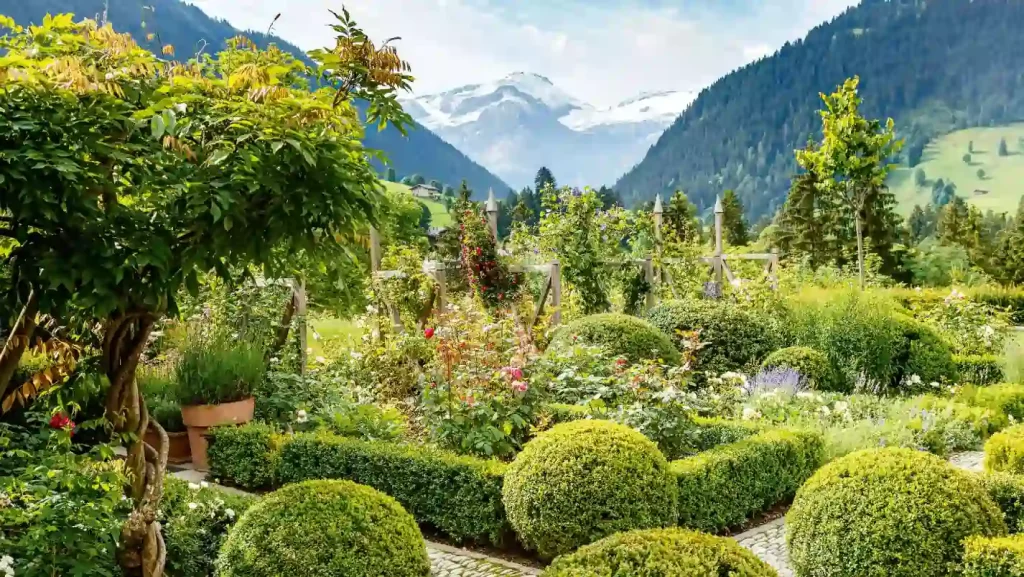
Serenity envelops those who wander through alpine landscapes, where rugged beauty meets harmonious tranquility. These unique environments evoke a sense of peace that is hard to find elsewhere. Several elements contribute to this calming experience:
- Majestic Scenery: Towering peaks and sweeping valleys create an awe-inspiring backdrop that soothes the spirit.
- Gentle Sounds: The soft rustle of alpine winds and distant murmurs of streams provide a natural symphony that enhances relaxation.
- Vibrant Flora: The diverse array of alpine plants, with their delicate blooms and resilient forms, invites visitors to appreciate nature’s artistry.
Together, these features foster an inviting atmosphere, encouraging a deep sense of belonging and connection to the natural world. This is why choosing alpine plants for your garden can transform outdoor spaces into sanctuaries of tranquility.
Low Maintenance Benefits of Alpine Plants
When considering the demands of outdoor gardening, many enthusiasts find that alpine plants offer a revitalizing alternative due to their low maintenance requirements. These resilient species are well-suited for diverse climates, thriving in rocky or poor soils where other plants might struggle. Their natural drought resistance means less frequent watering, allowing gardeners to enjoy a serene outdoor space without constant upkeep.
Additionally, alpine plants typically require minimal fertilization, reducing the need for chemical interventions. This simplicity fosters a sense of connection to nature, inviting relaxation and tranquility. For those asking, “Why choose alpine plants for your garden?” the answer lies in their ability to create a lush yet low-effort environment, perfect for busy individuals seeking peaceful retreats.
Designing Your Perfect Alpine Garden Retreat
Creating a perfect alpine garden retreat involves a thoughtful blend of design elements that harmonize with nature’s beauty. By thoughtfully incorporating alpine plants, one can create a serene environment that fosters relaxation and a sense of belonging.
Here are three essential elements to evaluate:
- Plant Selection: Choose hardy alpine plants that thrive in your local climate, offering vibrant colors and textures year-round.
- Natural Materials: Use stones, wood, and gravel to mimic the alpine landscape, creating pathways and seating areas that invite tranquility.
- Water Features: Incorporate small ponds or trickling streams to enhance the soothing ambiance while attracting wildlife.
Frequently Asked Questions
What Are the Best Alpine Plants for Beginners?
For beginners, the best alpine plants include Sedum, Saxifraga, and Campanula. These resilient species thrive in diverse conditions, offering vibrant colors and textures while requiring minimal care, making them ideal for novice gardeners seeking success.
How Do Alpine Gardens Thrive in Different Climates?
Alpine gardens thrive in various climates by utilizing hardy plants that adapt to extreme conditions. Their diverse root systems and drought resistance enable them to flourish in rocky terrains, creating resilient landscapes that invite tranquility and connection.
Can Alpine Plants Attract Wildlife to My Garden?
Alpine plants can indeed attract wildlife, providing essential habitats and food sources for various species. Their unique blooms and scents invite pollinators, while their resilient nature supports diverse ecosystems, enhancing the garden’s vibrancy and life.
What Soil Conditions Do Alpine Plants Prefer?
Alpine plants thrive in well-drained, rocky soils with low nutrient content. They prefer slightly acidic to neutral pH levels, mimicking their natural habitats, which fosters adaptability and resilience in diverse garden environments.
How Do I Care for Alpine Plants During Winter?
To care for alpine plants during winter, guarantee proper drainage, apply mulch for insulation, and protect them from harsh winds. Regular monitoring helps prevent frost damage, fostering a resilient garden that thrives in all seasons.
Conclusion
In essence, alpine gardens serve as tranquil sanctuaries, merging breathtaking aesthetics with the resilience of low-maintenance flora. Their vibrant colors and intricate textures invite contemplation, while the harmonious sounds of nature enhance the overall serenity.
By thoughtfully designing these retreats, individuals can cultivate a peaceful outdoor haven that nurtures the soul and fosters a profound connection to the natural world. Ultimately, alpine gardens stand as a demonstration of the beauty and benefits of mindful landscaping.
You May Also Like To Read: